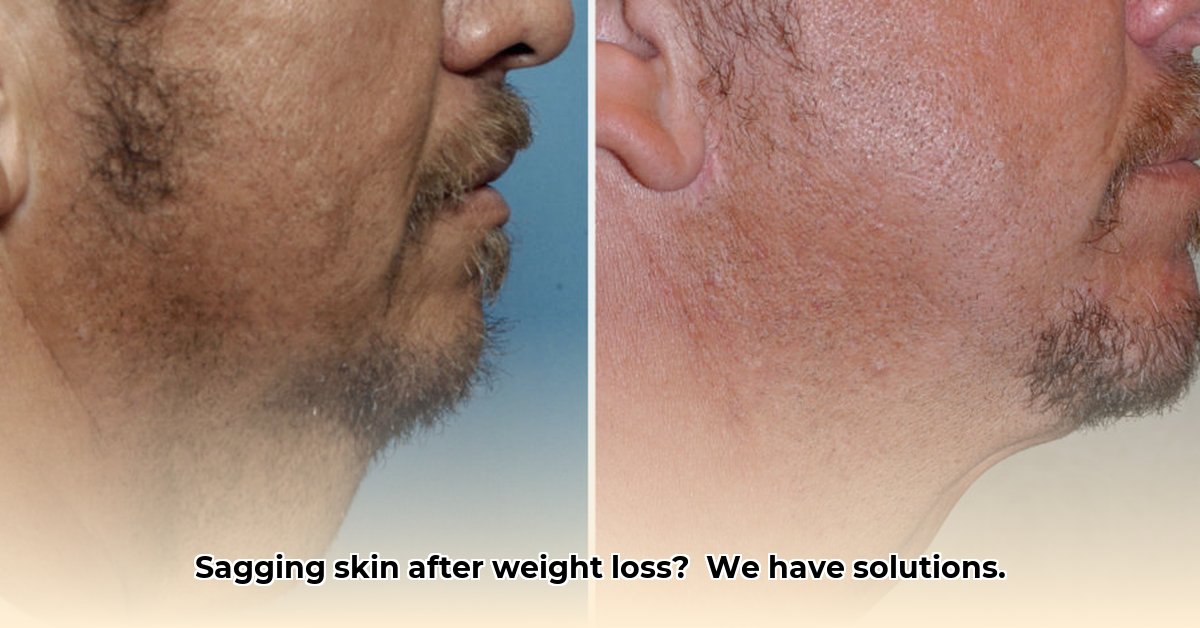
Thinking about a facelift after achieving significant weight loss? It's a smart move to consider how your body's transformation will impact your facial appearance. This guide will provide a step-by-step plan for achieving optimal results, addressing potential challenges and ensuring you're well-informed throughout the process.
Understanding the Challenges: Skin's Response to Weight Change
Major weight loss, particularly rapid weight loss, can significantly impact skin elasticity. Just as a stretched rubber band may not fully regain its original form, your skin, especially on your face, might lose its tautness and sag. This can affect the outcome of a facelift. How significant is this factor? A study by the American Society of Plastic Surgeons found that even moderate weight fluctuations after a facelift can affect long-term results. This underscores the importance of weight stabilization.
Before the Facelift: Preparing for a Successful Outcome
Before scheduling your procedure, a consultation with a board-certified plastic surgeon is paramount. This isn't just a formality; it's a crucial step for planning your surgical journey.
Step 1: Weight Stabilization
Your surgeon will assess your current weight and help you determine a healthy weight range. If weight loss is necessary, aim for gradual reduction (1-2 pounds per week). Rapid weight loss can compromise results. Why is this crucial? Maintaining a stable weight allows your skin to adapt naturally and helps prevent excessive sagging.
Step 2: Realistic Expectations
Have an open discussion with your surgeon about realistic expectations. Discuss your goals and any concerns you may have. Open communication is key to a harmonious patient-surgeon relationship and better outcomes. Remember, your surgeon's expertise ensures you’ll receive the most accurate assessment of the potential transformation.
Step 3: Skin Elasticity Assessment
Your surgeon will evaluate your skin's elasticity, a primary factor determining the ideal surgical approach for your facelift. This assessment informs the surgical plan and helps anticipate the potential outcome. The goal is to tailor the surgery to your specific needs.
Step 4: Optimal Timing
Together, you and your surgeon will determine the ideal timing for your surgery. It's crucial to allow sufficient time for your skin to adjust after weight loss, optimizing results and minimizing potential complications. Patience is a crucial factor for a successful outcome.
After the Facelift: Maintaining Your Results
Post-operative care is as important as pre-operative preparation. These steps will help ensure your facelift results last.
Follow Doctor's Orders: Adhere strictly to your surgeon's post-operative instructions. Compliance significantly impacts recovery and minimizes potential risks.
Maintain Weight Stability: Continued weight management is critical. Even minor fluctuations can affect your results. Your surgeon can advise on optimal weight ranges.
Healthy Habits: Embrace a healthy lifestyle, focusing on proper nutrition and regular exercise. This supports your body's healing process and enhances overall well-being.
Follow-Up Appointments: Attend all scheduled follow-up appointments. Your surgeon will monitor your progress and address any questions or concerns.
Addressing Potential Challenges and Risks
While a facelift after weight loss can significantly improve your appearance, it's essential to understand potential challenges:
Excessive Skin Laxity: Despite surgical intervention, significant weight fluctuations post-surgery can still lead to skin laxity. Gradual, controlled weight loss before surgery minimizes this risk.
Suboptimal Result: While rare with experienced surgeons and open communication, slight imperfections or less-than-ideal results are possible. Realistic expectations upfront mitigate disappointment.
Surgical Complications: As with any surgical procedure, complications, though uncommon, can occur. Choosing a skilled surgeon and maintaining good health minimizes these potential risks.
Making the Right Decision
A facelift after weight loss is a significant decision. Thoroughly research, consult with multiple board-certified plastic surgeons, and establish realistic expectations. Take your time, weigh the benefits and risks, and choose a surgeon who prioritizes your comfort and satisfaction. Remember, this journey prioritizes your well-being and empowers you to feel your best.